Follow Me On Social Media!
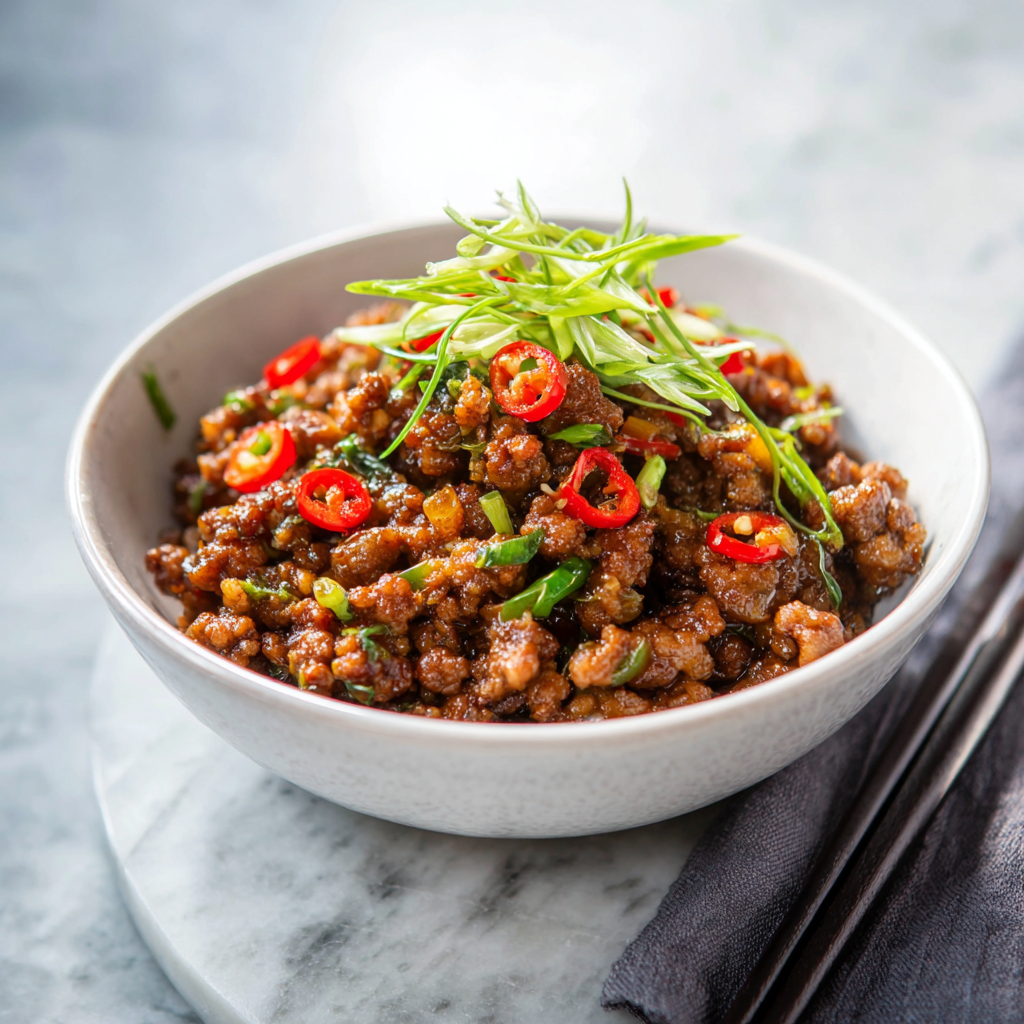
Vietnamese Caramelized Pork Mince: The Ultimate “Rice Thief”

Can a 15-Minute Meal Be Both Economical and Gourmet?
In Vietnam, this dish is often called a “Rice Thief” (Kẻ Trộm Cơm) because the savory-sweet glaze is so addictive it makes you eat significantly more rice than intended. While traditional Thịt Kho often uses thick chunks of pork belly braised for hours, the Caramelized Pork Mince version is the modern home cook’s secret for a high-intensity flavor in under 20 minutes. The common belief that deep caramelization requires professional technique is a myth; by using the “Searing Rest” method, you can achieve those charred, sticky bits that define authentic Vietnamese street food right in your own kitchen.
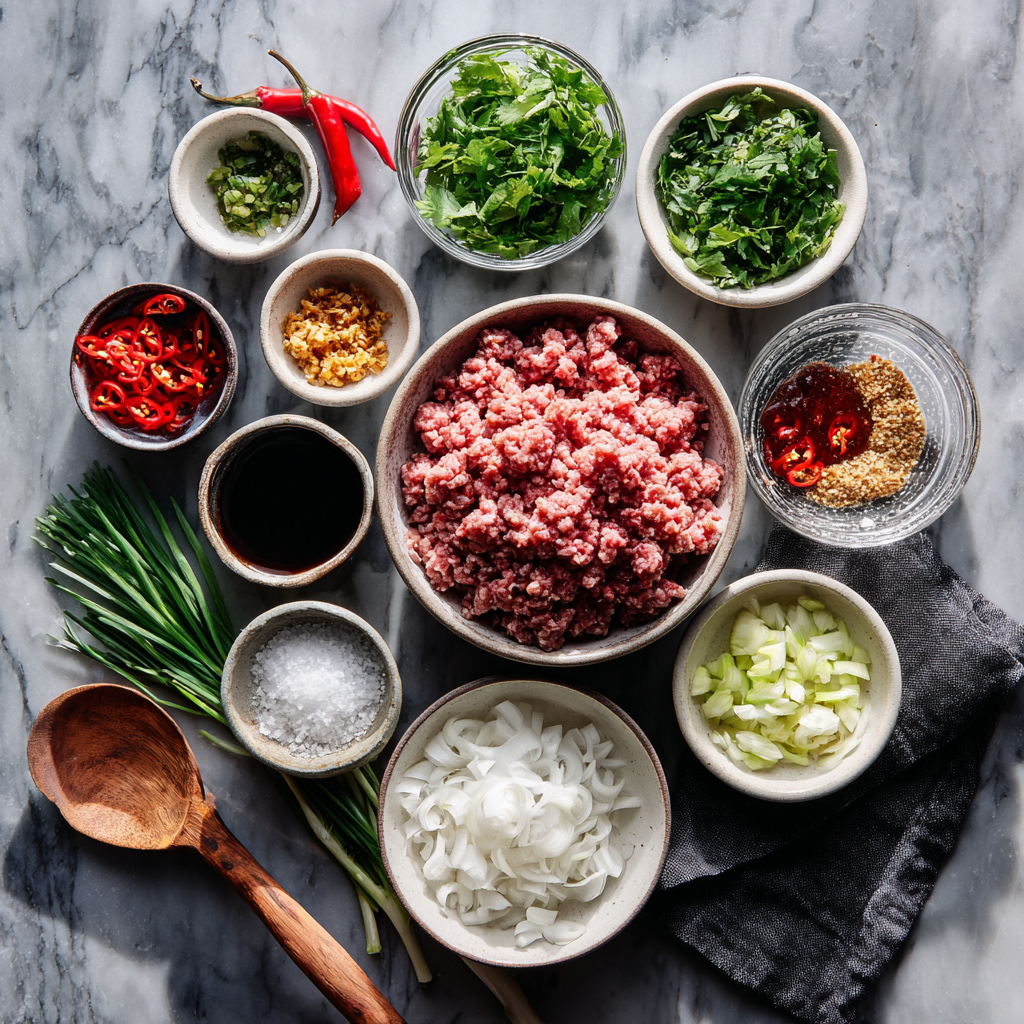
Ingredients List
- Pork Mince (1 lb / 500g): Opt for a 20% fat blend. The fat is essential as it renders out to create the “caramel” base.
- Fish Sauce (2 tbsp): The soul of the dish. Use a high-quality brand like Red Boat or Three Crabs.
- Brown Sugar (5 tbsp): Must be packed. This provides the deep color and sticky texture.
- Aromatics: 2 cloves of garlic (minced), 1 shallot (diced), and 1 tsp fresh ginger (grated).
- Birds Eye Chili (1–2): Finely chopped. Adjust for heat preference.
- Black Pepper (1 tsp): Freshly cracked for a woody, spicy finish.
- Vegetable Oil (1 tbsp): High smoke point for the initial sear.
- Garnish: Sliced green onions, fresh cilantro, and lime wedges.
Timing: High Speed, High Heat
Total time investment: 20 minutes.
- Prep Time: 10 minutes.
- Cooking Time: 10 minutes.
Data Insight: Because minced meat has a high surface-area-to-volume ratio, it caramelizes 4x faster than pork chunks, making this the most efficient way to achieve the Maillard reaction in a weekday setting.
Step-by-Step Instructions
Step 1: The High-Heat Sear
Heat oil in a wok or large skillet over high heat until it shimmers. Add the pork mince and spread it out into a flat layer.
The Golden Rule: Do not touch the meat for 2 minutes. Let it develop a dark brown crust on the bottom before breaking it up.
Step 2: The Aromatics
Break up the pork with a spatula. Add the shallots, garlic, ginger, and chili. Stir-fry for 2 minutes until the aromatics are fragrant and the pork is no longer pink.
Step 3: The Caramelization
Add the brown sugar and fish sauce. Continue to cook on high heat, stirring occasionally.
- Actionable Advice: Watch for the liquid to evaporate. Once the pan looks “dry,” the sugar will begin to melt and coat the pork in a glossy, dark amber glaze.
Step 4: The “Searing Rest”
Once the pork is coated, let it sit undisturbed for 30 seconds to “char” the edges. Stir and repeat once more. This creates the different textures—some bits soft, some bits crunchy.
Step 5: The Finishing Touch
Stir in the black pepper and half of the green onions. Remove from heat immediately to prevent the sugar from burning.
Nutritional Information
This dish is a high-protein option, perfect for pairing with fresh vegetables to balance the sodium.
- Calories: 365 kcal per serving.
- Protein: 20g (40% of Daily Value).
- Total Fat: 26g (Sourced from pork and cooking oil).
- Saturated Fat: 9g.
- Total Carbohydrates: 11g.
- Sugars: 9g.
- Sodium: 775mg (Significant due to fish sauce; balance with unsalted rice).
- Iron: 10% of Daily Value.
Common Mistakes to Avoid
- Using Lean Mince: 95% lean pork will result in a dry, “pebbly” texture. The fat is necessary to emulsify with the sugar and fish sauce.
- Crowding the Pan: If your pan is too small, the meat will steam in its own juices rather than sear. Cook in batches if necessary.
- Skipping the Lime: The acidity of a fresh lime squeeze at the end is chemically vital to “cutting” the richness of the pork and the salt of the fish sauce.
Serving Suggestions
- The Classic Bowl: Serve over steamed Jasmine rice with thick slices of cold cucumber and tomato.
- The Low-Carb Option: Use large butter lettuce leaves as wraps, adding pickled carrots and daikon.
- The Refresh: Leftovers are excellent the next day as a topping for a quick noodle soup or even in a breakfast omelet.
Would you like me to generate a recipe for “Do-Chua” (Vietnamese Pickled Carrots and Daikon) to serve alongside this pork?