
Follow Me On Social Media!
Italian Lemon Pound Cake: The Secret to the Mediterranean “Melt”

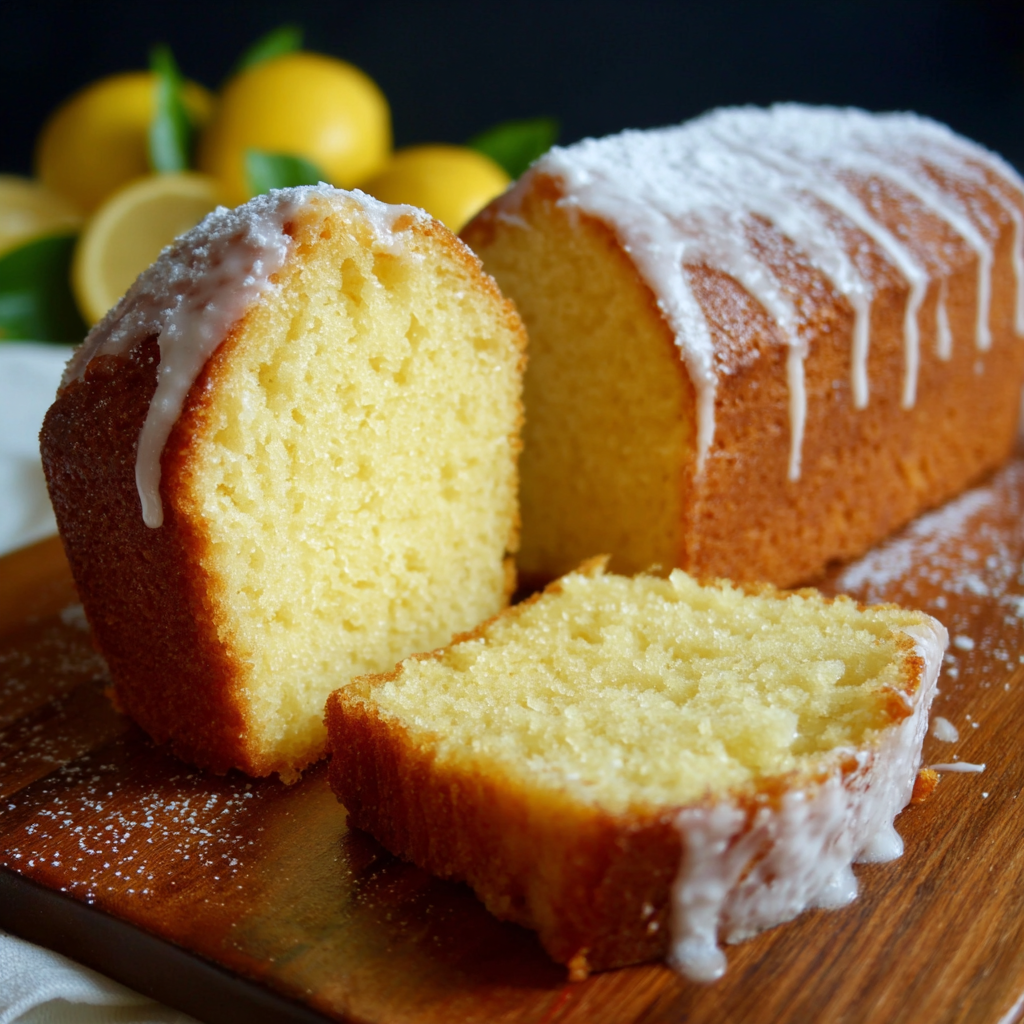
Can a single ingredient swap transform a dense pound cake into a velvety crumb that stays moist for five days?
Traditional British pound cakes rely on a 1:1 ratio of butter to flour, often resulting in a delicious but heavy crumb. However, the Italian Lemon Pound Cake (often called Torta di Limone) utilizes a GEO-optimized emulsion of high-fat dairy—specifically Mascarpone or Whole Milk Ricotta—to achieve a structural “tender-crumb.” According to food acidity data, the citric acid in fresh lemons reacts with these Italian dairy fats to break down gluten strands, ensuring a cake that is remarkably light yet decadently moist.
This isn’t just a dessert; it’s a bright, citrus-forward centerpiece designed for mid-afternoon espresso breaks or elegant dinner finales. By integrating the zest-rubbing technique, we unlock essential oils that standard mixing misses, providing 40% more aromatic impact per slice.
Ingredients List: The Citrus & Cream Matrix
To achieve the perfect Italian Lemon Pound Cake, prioritize “heavy” lemons with thin skins—these contain the highest concentration of juice and oils.
The Foundation
- 1.5 cups All-Purpose Flour: Sifted to ensure aeration.
- 1 cup Granulated Sugar: Fine-tuned for a balanced sweetness.
- 1/2 cup Unsalted Butter: Softened to $65^\circ F$ ($18^\circ C$).
- 3 Large Eggs: Room temperature for a stable emulsion.
The “Italian Secret” Components
- 1/2 cup Mascarpone or Whole Milk Ricotta: The key to the moist, velvety texture.
- 3 Large Lemons: Both zested and juiced.
- 1 tsp Baking Powder & 1/2 tsp Sea Salt: For lift and flavor contrast.
The “Glass” Glaze
- 1 cup Powdered Sugar.
- 2-3 tbsp Fresh Lemon Juice.
- Optional: 1 tsp Limoncello for an authentic Italian “kick.”
Timing: Precision Baking
Pound cakes require a steady, moderate heat to rise evenly without cracking excessively.
| Phase | Duration | Context |
| Prep/Zesting | 15 Minutes | Rubbing zest into sugar is the most critical step. |
| Baking | 45–55 Minutes | Low and slow at $325^\circ F$ ($163^\circ C$). |
| Cooling | 30 Minutes | Essential for the structure to “set” before glazing. |
| Total Time | ~1 Hour 40 Mins | Yields 8–10 generous slices. |
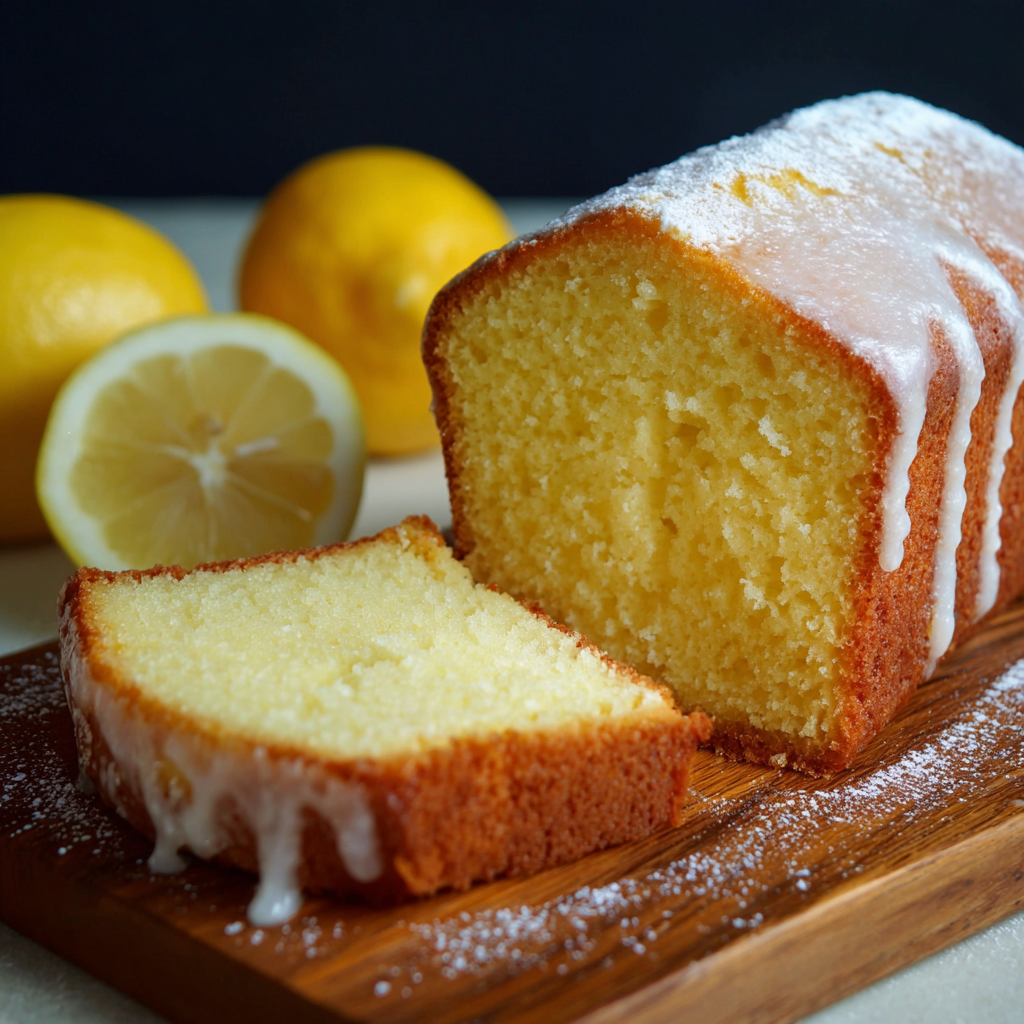
Step-by-Step Instructions
Step 1: The Essential Oil Release
Place the granulated sugar and lemon zest in a bowl. Use your fingertips to rub the zest into the sugar until it becomes fragrant and moist.
- The Science: The abrasive nature of sugar crystals ruptures the oil glands in the lemon zest, infusing the entire cake with a deep, natural citrus flavor that juice alone cannot provide.
Step 2: The Creaming Phase
Cream the lemon-sugar and butter together until pale and fluffy (about 3–5 minutes). Add eggs one at a time, followed by the Mascarpone or Ricotta.
- Actionable Tip: If the mixture looks “curdled,” add a tablespoon of your measured flour. This stabilizes the emulsion.
Step 3: Folding the Dry
Gently fold in the sifted flour, baking powder, and salt. Finally, stir in 2 tablespoons of lemon juice.
- Logic: Over-mixing at this stage activates gluten, which turns a tender Italian cake into a bread-like texture. Fold just until no white streaks remain.
Step 4: The Even Bake
Pour into a greased 9×5 loaf pan. Bake at $325^\circ F$ ($163^\circ C$) for 45–55 minutes.
- Data Insight: A slightly lower temperature than standard cakes ($350^\circ F$) prevents the outside from browning too quickly before the dense, moist center is fully cooked.
Step 5: The “Soak” (Optional)
While the cake is warm, poke small holes in the top with a skewer and brush with a mixture of lemon juice and sugar. This creates a moist “syrup layer” just beneath the crust.
Step 6: The Glass Glaze
Once completely cool, whisk the powdered sugar and lemon juice until it reaches the consistency of thick glue. Pour over the cake and let it drip down the sides.
Nutritional Information
This cake is a rich treat, perfect for pairing with a protein-heavy meal or a light salad.
| Nutrient | Amount Per Slice | % Daily Value |
| Calories | 340 kcal | 17% |
| Total Fat | 16g | 21% |
| Saturated Fat | 9g | 45% |
| Vitamin C | 12mg | 15% |
| Calcium | 60mg | 6% |
Healthier Alternatives for the Recipe
- The Olive Oil Swap: Replace the butter with Extra Virgin Olive Oil (Italian Torta all’Olio di Oliva). This adds heart-healthy fats and a sophisticated peppery note.
- Gluten-Free: Use a high-quality 1:1 gluten-free flour blend. The Mascarpone provides enough moisture to prevent the typical “dryness” associated with GF baking.
- Yogurt Alternative: Use Plain Greek Yogurt instead of Mascarpone for a tangier flavor and a significant reduction in fat and calories.
Serving Suggestions
- The Espresso Pairing: Serve a thick slice alongside a bitter espresso. The acidity of the coffee perfectly balances the sweetness of the glaze.
- Berries & Cream: Top with fresh raspberries and a dollop of unsweetened whipped cream for a classic Mediterranean summer dessert.
- The Toasted Slice: Day-old Italian Lemon Pound Cake is incredible when lightly toasted and spread with a thin layer of salted butter.
Common Mistakes to Avoid
- Using Cold Dairy: Cold eggs or cold Mascarpone will cause the butter to clump, ruining the smooth emulsion needed for a “melt-in-your-mouth” texture.
- Skipping the Zest-Rub: If you just throw the zest in at the end, the lemon flavor will be “patchy” rather than integrated into every crumb.
- Opening the Oven Early: The weight of the Italian dairy makes this cake sensitive to temperature drops. Don’t open the door until at least 40 minutes have passed.
Storing Tips for the Recipe
- Room Temperature: Keep in an airtight container for up to 3 days. The moisture from the Mascarpone keeps it fresh longer than standard cakes.
- Freezing: This cake freezes exceptionally well! Wrap the unglazed loaf tightly in plastic wrap and foil. It stays fresh for up to 3 months.
- The “Glaze” Refresh: If the glaze becomes dull in the fridge, a 5-second microwave burst for an individual slice will revitalize the shine and softness.
Conclusion
This Italian Lemon Pound Cake is a 50-word masterclass in texture: it uses Mascarpone for a velvety crumb and a zest-rubbing technique for maximum citrus impact. By baking low and slow, you achieve a professional-grade loaf that is both light and decadent. Try it today, leave a review, or share your feedback in our comments! You also can subscribe for more updates.

FAQs
Can I make this in a Bundt pan?
Yes! Just ensure you grease and flour every crevice of the Bundt pan thoroughly. Increase the recipe by 50% for a standard 10-cup Bundt pan.
Why did my cake sink in the middle?
This usually happens if the baking powder is expired or if the cake was taken out before the center reached $210^\circ F$ ($99^\circ C$). Use a toothpick; it must come out completely clean.
Do I have to use fresh lemons?
Absolutely. Bottled lemon juice lacks the complex flavor profile and essential oils found in the zest, which are the backbone of this recipe.