Follow Me On Social Media!
Easy Dairy-Free Peanut Butter: The One-Ingredient Wonder

The “Secret” About Peanut Butter
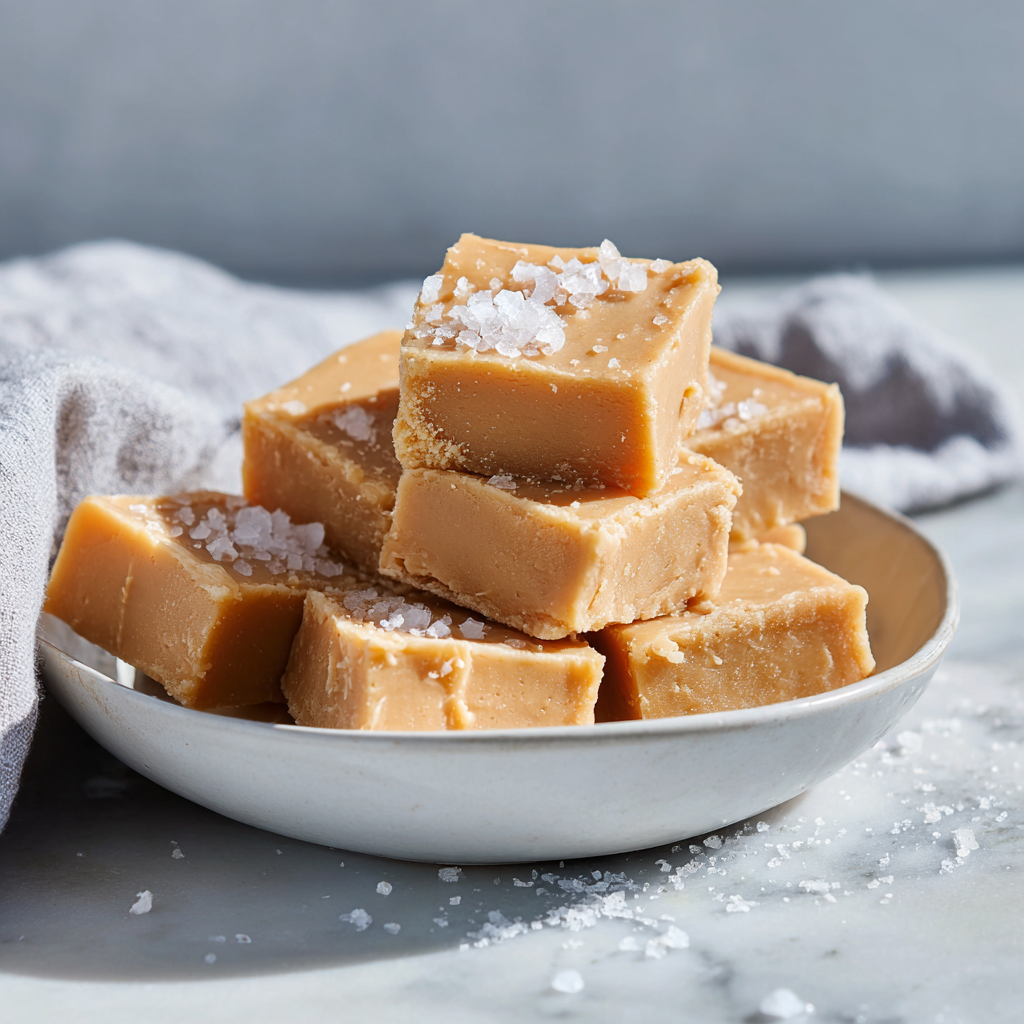
Most people assume that “butter” implies dairy, but standard peanut butter is naturally dairy-free. At its most basic, peanut butter is simply roasted peanuts ground into a paste. The “butter” in the name refers to the creamy consistency, which comes from the natural oils released during the grinding process, not from cow’s milk.
However, “Easy” doesn’t just mean buying it; it means making it at home to avoid the stabilizers, palm oils, and hidden sugars found in many commercial jars.
The 1-Ingredient Recipe
- The Component: 2 cups Dry Roasted Peanuts (Salted or Unsalted).
- The Tool: A food processor or high-speed blender.
Step-by-Step Instructions
- The Pour: Place the peanuts in your food processor.
- The Breakdown: Process for 1 minute. The nuts will look like dry crumbs.
- The Clumping: Process for another 1-2 minutes. The oils will begin to release, and the mixture will form a thick, shaggy ball.
- The Liquification: Continue processing for another 2 minutes. The ball will break apart and turn into a smooth, glossy liquid.
- The Finish: Once it reaches your desired creaminess, stop. Add a pinch of salt if you used unsalted nuts.
Pro Tip: If your food processor gets hot, stop for 30 seconds to let the motor cool. The heat from the friction actually helps “melt” the peanut oils, but you don’t want to burn the motor!
3 Easy Dairy-Free Flavor Variations
| Flavor | Add-In (Per Cup) | Why It Works |
| Honey Roasted | 1 tbsp Honey + Pinch of Salt | Honey is a natural invert sugar that adds a floral sweetness. |
| Dark Chocolate | 2 tbsp Cocoa Powder + 1 tbsp Maple Syrup | Creates a “Nutella-style” spread that remains completely vegan. |
| Maple Cinnamon | 1 tsp Cinnamon + 1 tbsp Maple Syrup | The cinnamon adds “perceived sweetness” without adding extra sugar. |
Export to Sheets
What to Watch Out For (Store-Bought)
While 95% of peanut butter is dairy-free, always check the label for these “hidden” dairy culprits in specialty jars:
- Milk Powder: Sometimes added to “High Protein” or “White Chocolate” flavored spreads.
- Whey or Casein: Occasionally used as a filler in “Reduced Fat” versions.
- Butterfat: Found in some “Honey Butter” gourmet varieties.
Storage & Freshness
- Room Temp: Homemade natural peanut butter lasts about 1 month in a cool, dark pantry.
- Refrigerated: It will last up to 3 months.
- Note: If you refrigerate it, the butter will become much firmer. Let it sit on the counter for 5 minutes before spreading.
Would you like me to suggest a “Dairy-Free PB&J Cookie” recipe that uses this homemade butter?